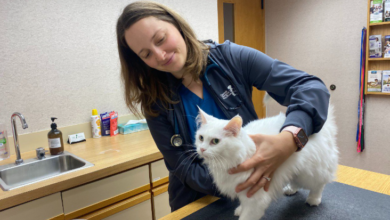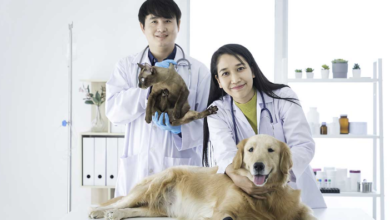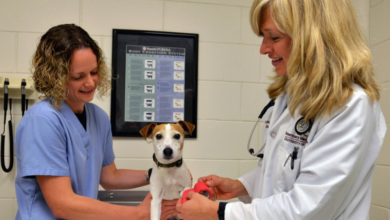
When you walk into an animal clinic in Squamish with a sick or hurt pet, you want clear answers and fast help. You may see busy staff, unfamiliar tools, and hear words that feel cold or confusing. This can stir fear and guilt. You are not alone in that. Most pets that come through the doors need one of a few common procedures. These same four procedures help protect health, ease pain, and catch hidden problems before they turn severe. You deserve to know what they are, why they matter, and what your pet will feel. This short guide explains four routine procedures you are most likely to face. It also shows what you can expect before, during, and after each one. With that knowledge, you can ask better questions, plan ahead, and stand by your pet with calm strength.
1. Vaccinations
Vaccines train your pet’s body to fight disease before it strikes. You protect your pet. You also protect children, older adults, and other animals.
Most dogs and cats need core vaccines. These target diseases that spread fast and cause severe harm. Examples include rabies and parvo in dogs and panleukopenia in cats. Your vet may also suggest extra vaccines based on your home, travel, and outdoor time.
Here is what you can expect.
- Before. Your vet checks age, weight, and health. You share past records and any past reactions.
- During. A quick shot under the skin or in the muscle. It often takes a few seconds.
- After. Your pet may feel tired or sore for a day. You may see a small lump at the site. Call your vet if you see swelling of the face, trouble breathing, or vomiting.
You can review core dog and cat vaccine advice from the U.S. Centers for Disease Control and Prevention. This helps you match what you hear at the clinic with national guidance.
2. Spay and neuter surgery
Spay and neuter surgery removes the ability to have litters. It also lowers risk of some cancers and reduces roaming and fighting. Many shelters and cities urge this step to limit unwanted litters.
Here is what happens.
- Before. Your vet may run blood tests. You follow food and water rules the night before.
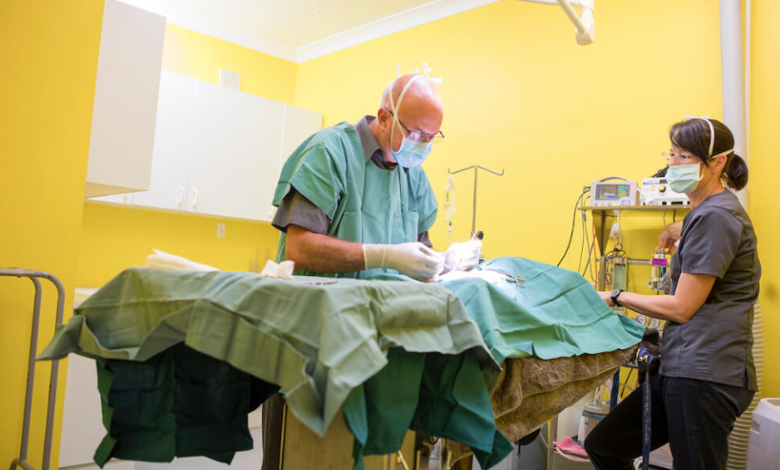
- During. Your pet receives medicine for sleep and pain. The vet performs the surgery in a clean room.
- After. Your pet goes home the same day in most cases. You watch the cut for redness or discharge. You keep your pet calm and stop licking with a collar or shirt.
The University of Minnesota College of Veterinary Medicine explains how spay and neuter supports long term health. You can use that source to prepare questions for your vet.
3. Dental cleaning
Dental disease causes pain, tooth loss, and infection that can spread. You may notice bad breath, drooling, or trouble chewing. A full cleaning under sleep medicine reaches under the gums. That is the place home brushing cannot reach.
Here is what a dental visit includes.
- Before. Your vet checks the mouth and may suggest blood work. You follow food rules before sleep medicine.
- During. Staff clean each tooth, remove tartar, and rinse the mouth. The vet may take X-rays and pull loose or damaged teeth.
- After. Your pet wakes up groggy. The mouth may feel sore. You may feed soft food for a few days.
Home brushing, dental treats, and checkups keep the mouth cleaner for longer. Routine care is more effective after treatment.
4. Diagnostic tests
Diagnostic tests help find the cause of a problem. You may not see clear signs at home. Your vet may suggest tests when a pet stops eating, drinks more water, loses weight, or acts different.
Common tests include.
- Blood tests. These show how organs work. They can uncover infection, anemia, or diabetes.
- Urine tests. These help find kidney issues, bladder infection, or crystals.
- X-rays. These show bones, lungs, and the size of organs.
- Ultrasound. This shows soft tissues like liver, kidneys, or heart in more detail.
Most tests are quick. Many pets stay awake for them. Your vet uses the results to build a clear plan.
See also: How General Dentistry Protects Oral Health Across Generations
Comparison of common procedures
| Procedure | Main purpose | Typical timing | Stay at clinic | Home care needs |
|---|---|---|---|---|
| Vaccinations | Prevent disease and support community safety | Puppy or kitten series and regular boosters | Short visit | Watch for rare reactions and record next due date |
| Spay or neuter | Stop litters and lower risk of some tumors | Often before sexual maturity or as advised | Same day surgery in most cases | Limit activity, protect incision, give pain medicine |
| Dental cleaning | Remove tartar and treat hidden mouth disease | Every one to three years based on risk | Same day procedure | Soft food, monitor mouth, start brushing plan |
| Diagnostic tests | Find the cause of signs and guide treatment | As needed when signs appear or before surgery | Often same visit | Follow treatment changes and watch new signs |
How you can prepare for any procedure
You can lower stress for yourself and your pet with three simple steps.
- Ask clear questions. Write three questions before the visit. For example, ask what the goal is, what risks exist, and how to care at home.
- Share full history. Tell staff about past reactions, medicine, and changes in eating or behavior.
- Plan for home care. Set up a quiet rest space. Arrange time off or help for the first day.
Your pet depends on you. When you understand these four common procedures, you gain steady control in a place that often feels tense. You also give your pet the best chance to heal in comfort.