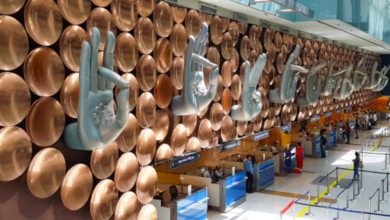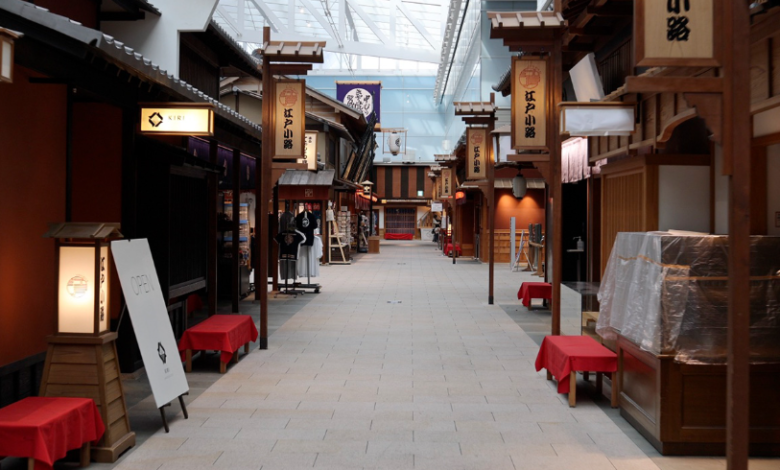
Haneda Airport, officially known as Tokyo International Airport (HND), is one of the most user‑friendly major airports in Asia. Its close proximity to central Tokyo, extensive domestic network, and growing list of international routes make it the preferred arrival point for many travelers to Japan.
This article provides a clear overview of Haneda Airport, including its terminals, transportation options, and practical guidance for dealing with lost items.
1) Why Haneda Airport Is So Popular
Compared with Narita Airport, Haneda is significantly closer to downtown Tokyo. In many cases, travelers can reach areas such as Shinagawa, Tokyo Station, or Shibuya in under an hour.
Key advantages include:
- Shorter travel time into the city
- Excellent connections to domestic destinations
- Frequent early‑morning and late‑night flights
- Easy transfers for business and leisure travelers
2) Overview of Haneda’s Terminals
Haneda Airport is divided into three main terminals, each serving a different role.
Terminal 1 (T1)
- Primarily for domestic flights
- Large shopping and dining areas
- Commonly used by Japan Airlines (JAL) and related carriers
Terminal 2 (T2)
- Also mainly for domestic flights
- Efficient layout with smooth transfers
- Often used by ANA and partner airlines
Terminal 3 (T3)
- Haneda’s international terminal
- Handles most international arrivals and departures
- Designed with multilingual signage and traveler‑friendly facilities
Terminal assignments can change, so checking your airline’s instructions before departure is essential.
3) Getting Between Terminals
If you need to move between terminals, Haneda provides free shuttle buses and rail connections. While transfers are generally straightforward, they can take time during busy travel periods.
Allow extra buffer time if you are:
- Connecting between domestic and international flights
- Traveling with large or multiple suitcases
- Flying during peak seasons such as Golden Week or New Year
4) Transportation from Haneda to Tokyo
Haneda offers several reliable ways to reach Tokyo and surrounding regions.
Train Options
- Tokyo Monorail: Connects Haneda with Hamamatsuchō, where you can transfer to JR lines.
- Keikyū Line: Direct access to Shinagawa and connections to central Tokyo and Kanagawa.
Airport Limousine Bus
Limousine buses operate to major hotels and transportation hubs, making them a comfortable option for travelers with luggage.
Taxi
Taxis provide door‑to‑door convenience, especially late at night, though costs are higher than public transport.
5) Managing Luggage at Haneda
Haneda Airport is well equipped, but luggage can still be a source of stress, particularly during transfers.
Helpful tips include:
- Keep valuables and essentials in a carry‑on bag
- Label checked luggage clearly
- Take photos of your bags before travel in case you need to describe them later
Planning ahead can significantly reduce problems if your travel schedule is tight.
See also: Undertectaboway: the Path Less Traveled
6) What to Do If You Lose Something at Haneda Airport
Lost items are common in busy airports. Phones, wallets, shopping bags, and documents are often misplaced in security areas, lounges, restrooms, or on transport to and from the airport.
If you notice something missing:
- Check nearby locations immediately and ask airport staff
- Contact your airline if the item may have been left on board
- Reach out to the relevant transport operator if you used a train, bus, or taxi
For a detailed explanation of how the lost property system works and where to make inquiries, refer to this guide on Haneda Airport lost and found process for travelers.
7) Food, Shopping, and Amenities
Haneda is known for its wide range of dining and shopping options.
- Traditional Japanese meals and international cuisine
- Souvenir shops and convenience stores
- Comfortable waiting areas and traveler services
If you arrive early, the airport offers plenty of ways to spend your time comfortably.
8) Final Thoughts
Haneda Airport combines efficiency with accessibility, making it an ideal gateway to Tokyo and the rest of Japan. By understanding how its terminals work, planning transportation in advance, and knowing where to turn if something goes missing, travelers can navigate Haneda with confidence.
For anyone concerned about misplaced belongings, having reliable information on Haneda’s lost and found process can make an unexpected situation much easier to handle.