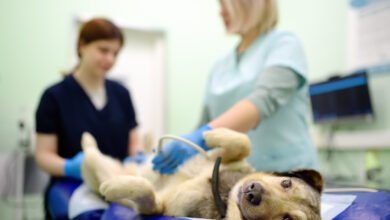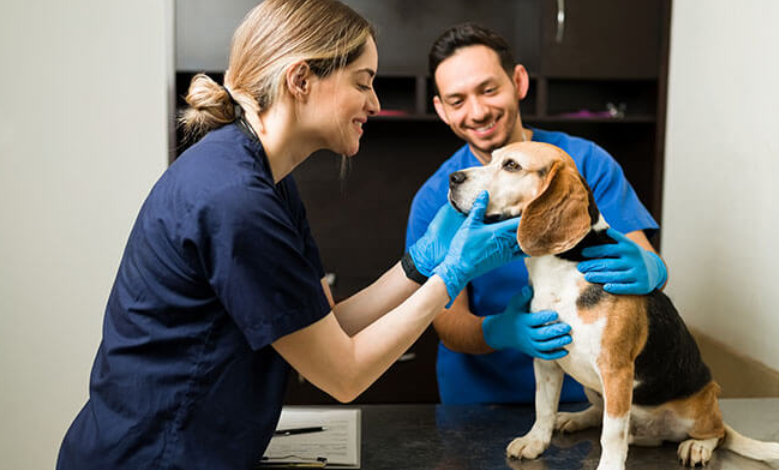
When your pet needs care, you want to know what will happen and why. Many visits to a veterinary hospital follow clear steps. You can prepare yourself and protect your pet when you understand the most common procedures. This blog explains four procedures you are likely to face. These include routine exams, vaccines, dental work, and surgery. Each one can feel scary when you do not know what to expect. You learn what happens during the visit, how your pet might feel, and what you can do at home after. You also see when you should call for help. If you work with a veterinarian in Bellingham, WA, or anywhere else, the basics stay the same. Clear facts calm fear. Strong planning helps you speak up and ask questions. Your pet depends on you. You deserve straight answers.
1. Routine Wellness Exams
Regular exams catch problems early. They also build trust between you, your pet, and the care team. You should expect a full check from nose to tail.
During a wellness exam, the team usually:
- Asks about eating, drinking, bathroom habits, and behavior
- Checks weight, temperature, heart rate, and breathing
- Looks at eyes, ears, teeth, skin, and coat
- Feels the belly and limbs for pain or lumps
- Listens to the heart and lungs with a stethoscope
This visit is also the time to ask hard questions. You can bring a written list. You can share photos or videos of strange behavior. Honest details help the team see the full picture.
For more on what happens during exams and vaccines, you can read the Centers for Disease Control and Prevention pet health guidance.
2. Vaccinations and Preventive Shots
Vaccines protect your pet from harsh disease. Some are required by law. Others are based on your pet’s risk and lifestyle.
The team may give shots for:
- Rabies
- Distemper and parvovirus for dogs
- Feline panleukopenia and respiratory disease for cats
- Leptospirosis, Lyme disease, or kennel cough, based on risk
Before each shot, the team checks your pet’s record. They explain which vaccines are due and why. You can ask about side effects and timing. You can also ask what signs should lead to a call after you go home.
Common mild reactions include low energy, slight swelling at the shot site, or a small change in appetite. Sudden swelling of the face, trouble breathing, or collapse is an emergency. You must seek care at once.
You can review vaccine basics through the American Veterinary Medical Association vaccine guide.
3. Dental Cleaning and Oral Care
Dental disease causes pain. It also affects the heart, liver, and kidneys. Many pets hide mouth pain. You might only see bad breath or drool.
A hospital dental cleaning usually includes three main steps.
First, pre-dental exam and blood work. The team checks if your pet is safe for anesthesia. They may run blood tests to check organs.
Second, cleaning and X-rays under anesthesia. Your pet is asleep. The team:
- Removes tartar and plaque above and below the gum line
- Rinses and polishes each tooth
- Takes dental X-rays to see roots and bone
- Checks for loose teeth, infection, or gum damage
Third, treatment and home plan. The veterinarian may remove damaged teeth. You receive clear instructions for food, pain control, and brushing.
You should call if you see:
- Bleeding that does not slow
- Refusal to eat or drink
- Heavy drooling or pawing at the mouth
See also: How General Dentistry Protects Oral Health Across Generations
4. Spay, Neuter, and Other Common Surgeries
Spay and neuter surgeries are common. Many pets also need lump removal, wound repair, or stomach surgery. The word surgery can trigger fear. Clear steps can reduce that fear.
Before surgery, the team:
- Performs an exam and may run blood tests
- Reviews past health records and current medicines
- Explains fasting rules and drop off times
During surgery, your pet receives anesthesia. The team places monitoring equipment. They watch heart rate, breathing, and temperature. A trained staff member stays with your pet from start to finish.
After surgery, your pet rests in recovery. You receive written and spoken home care steps. These often cover:
- When and how to give pain medicine
- How to keep the incision clean and dry
- How much movement is safe
- When to return for suture removal or a recheck
Warning signs after surgery include:
- Open or bleeding incision
- Strong smell or thick discharge
- Refusal to eat, vomit, or trouble breathing
Comparison of Common Veterinary Procedures
| Procedure | Usual Frequency | Typical Time at Hospital | Home Care Needed After |
|---|---|---|---|
| Wellness exam | Once or twice per year | 20 to 40 minutes | Watch for changes. Follow diet and exercise advice. |
| Vaccinations | Every 1 to 3 years, based on schedule | 10 to 30 minutes | Monitor for swelling, low energy, or trouble breathing. |
| Dental cleaning | Every 1 to 3 years, based on mouth health | Half day to full day | Soft food if advised. Watch for pain or bleeding. |
| Spay or neuter | Once, often in young pets | Half day to full day | Limit activity. Protect incision. Give pain medicine as directed. |
How You Can Prepare and Speak Up
You protect your pet best when you prepare for each visit.
You can:
- Write down your top three concerns before each visit
- Bring a list of medicines and supplements
- Ask what signs should trigger an urgent call
- Request written instructions you can post on your fridge
Clear talk is not a favor. It is your right. When you understand exams, vaccines, dental care, and surgery, you can face each visit with less fear and more control. Your pet feels your calm. Your choices shape their comfort and safety.